
As many nations struggle to contain the transmission of COVID-19 by imposing lockdowns and physical distancing measures, certain services are being recognized as essential. Uninterrupted and affordable food supply is often taken for granted in the western world. In this crisis of truly global proportions, healthcare services, pharmaceutical, transportation, and food supply are among those deemed “essential critical infrastructure“ by the US Department of Homeland Security.
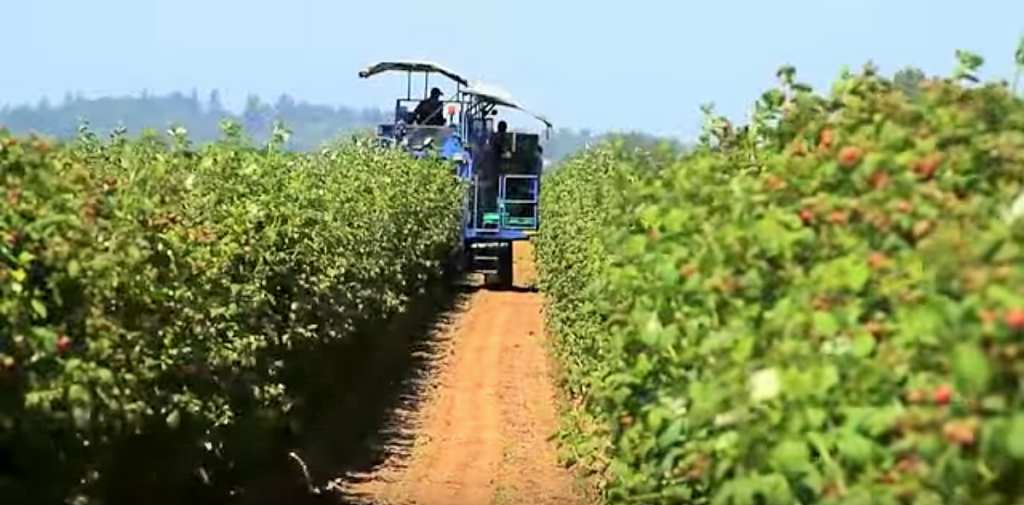
While the retail outlets are the front end of the food chain that most consumers are familiar with, the farm is where it all begins. The media has given considerable coverage to the overworked employees at the grocery stores while the public tries to stock up on food items as lockdowns continue in most nations. Less has been said about the beginning of the food chain which in most cases is North America’s family farm. Agriculture is not always viewed as an essential service, but governments around the world have recognized that farming activities need to continue in order to maintain an uninterrupted supply of food.
Disruption to Food Supply can cause Shortages

Disruptions to agriculture production can lead to much higher prices and in other cases serious food shortages or both. In the western world, food is relatively cheap and readily available. War, weather, insects, and plant disease can cause major crop failures leading to famine in extreme cases. In other cases food shortages can actually perpetuate conflicts.
Food is a perishable good with a limited shelf life of variable time span and with an associated cost of storage. As the crops are replenished on an annual basis, the producers are motivated to sell their previous year’s crop before the new crop arrives. When the supplies are long beyond the regular replenishing cycle, there is downward pressure on prices. The opposite is true when the regular replenishing cycle is interrupted. Given agricultural crops have inelastic demand, small changes in supply can cause significant variations in market price. While individually farmers are motivated to produce as much as possible collectively there is a dis-incentive to over-supply the market place due to declining marginal returns. The fact that most crops typically incur significant re-occurring storage costs and they are replenished at least once a calendar year, there is a disincentive to produce crop supplies beyond a single replenishing cycle.
Having more than one growing region, and often with different timing of production provide a certain level of stability to the supply of food. With global production in Southern and Northern Hemisphere, food supplies are replenished at least twice a year even for what would otherwise be annual crops.
Regional crop failures can often be mitigated by some degree by crop production in other parts of the world or via the use of alternate crops to fill the void where possible. However, a pandemic of the likes of Covid-19 that the world is facing now has the potential for a global impact on both supply as well as demand.
Covid-19 disrupt Farm labor supply
COVID-19 has impacted the availability of farm labor supply all over the world. Agriculture in western Europe is facing that challenge as the migrant labor from Eastern Europe that they typically rely on is not able to travel under COVID-19 lockdown. Even a country like India that relies on migrant labor from remote parts of its own hinterland to bring in the harvest has been impacted. The Canadian government has recently provided a travel exemption for foreign farmworkers to enter into the country but under strict protocols and high costs to farm Employers. The arrival of these workers still requires that supply countries are open for travel and air transportation is available.
There is genuine uncertainty facing the farming community whether it is the availability of labor and physical distancing requirements for work and transportation or other protocols that need to be in place to allow for a succesful harvest. Various government authorities and industry organizations are occupied in developing guidance documents to assist Agribusiness maneuver through uncharted waters.

According to the Food and Agriculture Organization of the United Nation, supply disruptions for major staple crops that are capital intensive are less likely. High-value perishable crops such as fresh fruits and vegetables are more likely to be impacted by labor shortages. On the demand side, given consumers are experiencing a reduction in income, and with less frequent shopping trips, they are choosing to buy food products that have a longer storage life. This can mean lower cumulative demand for fresh fruits and vegetables.
This very fact might be relevant to the blueberry industry in the North West. With the shortage of labor and less hand pick on the one hand, and lower demand for the fresh category there may be significant implications for the industry.
COVID-19 is NOT transmitted through food
The one saving grace for the food industry is that experts and food oversight authorities believe that food is not a likely source of COVID-19 transmission. It is common for Canadian and US farms to have Food Safety Programs in place that address employee hygiene and sickness. Under the COVID -19 break out, the emphasis remains on worker protection and minimizing transmission. The key to agriculture and all food workers will be to minimize the risk of transmission and keep their workforce clean and protected. Strict protocols that enforce Employee hygiene and sickness policy modified (or fortified) to address Covid-19 will be essential. Agriculture may look to further expert guidance from government authorities that provide food oversight.
Lesson Learned
As the world maneuvers through the COVID -19, there will be many lessons learned that will change how we do things in the future. Dependency on other countries for supply of medicine and medical instruments has already been called into question, accompanied by a call for domestic production of these essential goods. A similar argument for food production is not a new one. The concept of food security has been around for decades. It becomes popular whenever the vulnerability of food supplies is highlighted. Local food production and preservation of farmland are common themes that we hear from time to time.
North American Agriculture is quite often at a competitive disadvantage to producers elsewhere in the world. It is yet to be seen whether after we move beyond the present crises this will lead to the adoption of policies promoting domestic production and support for farmers that strengthens domestic agriculture.