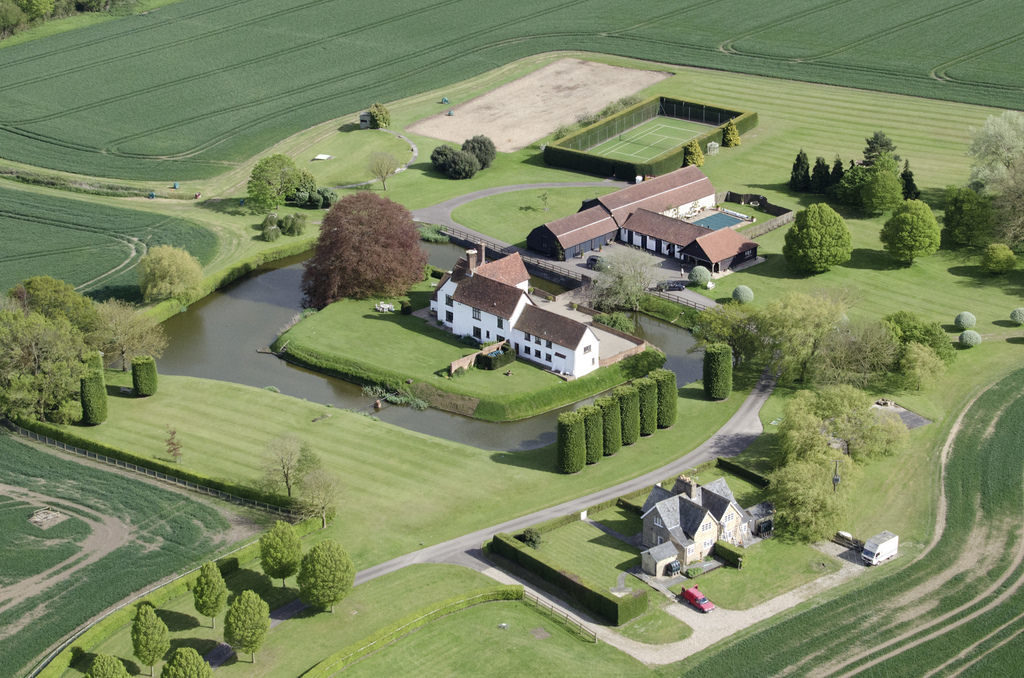
Mega mansion on farmland has been a hot topic with the passing of Bill 52 by BC’s NDP government. While well-meaning urban folks have supported the Bill because they believe this will save farmland and keep farmland affordable, many Farmers feel that unintended consequences outweigh the positives.
Uncreative Solution
“Mega mansion” rhetoric has obscured the real issues behind the debate. It is another example of where actions of few, has brought the wrath of regulators on the majority. While all farmers are on board with preserving farmland for farming, they are not pleased with uncreative solution put forth by the government. Uncreative, because instead of trying to change the behavior of few deviant actors, many of them not real farmers, this legislation will impact the majority of farm landowners who were not a problem to begin with. Good legislation always targets the intended group, and bad legislation uses a blanket approach..
As a starting point, we have not defined “mega-mansions”, but advocates of the Bill have used the term to galvanize support for home size limits on farm properties. The message seems to be that any home with living space greater than 5400 square feet is a mega mansion. Had the restriction been based on footprint of 5400 square feet rather than living space, there would be little opposition on this from Farm Groups.
There have been estate homes (and perhaps few mega mansions) on farmland for decades, and they have been quietly allowed to persist. These homes have pre-existed to the Asian contribution to the matter. On the whole, these farm parcels have not been part of any serious farm operation contributing significantly to BC food production.
Generational Farms Matter
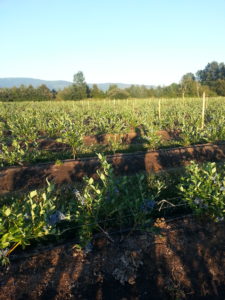
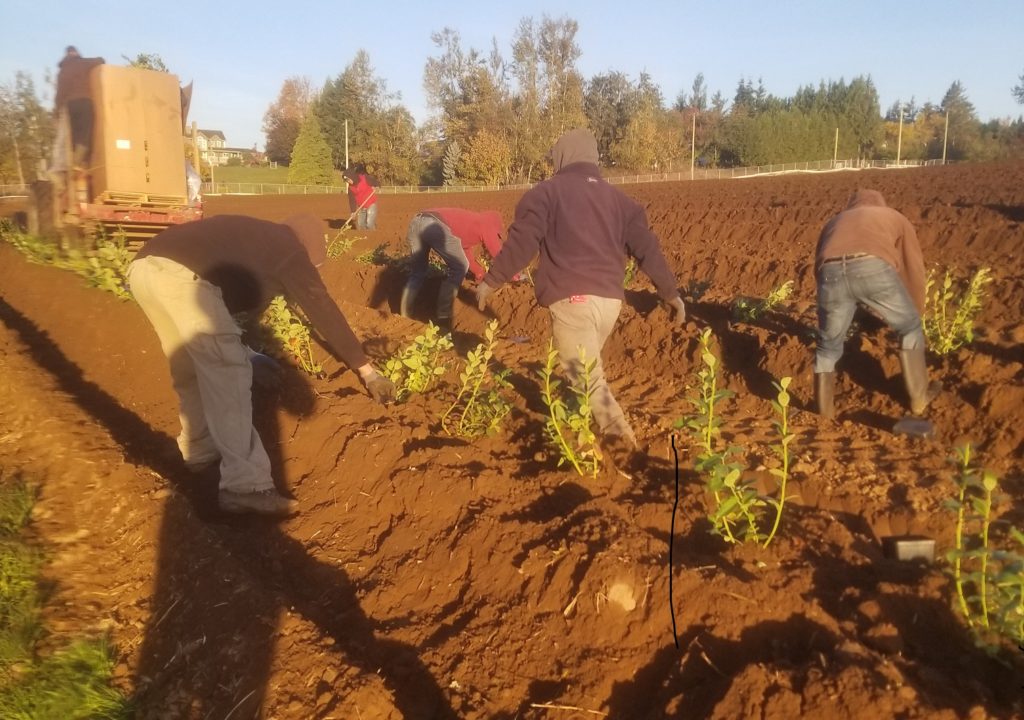
On the other hand, we have genuine farming families. Many of them generational farms, with substantial investment in BC agriculture over the years, contributing hugely to Agricultural production in the province. Many farming families have lived in humble homes, and a lot continues to do so today. However, if some of these farming families choose to build a large home after decades of toil on the land, they would, under the new legistlation, have to seek approval from the ALC. Under the best of conditions, this would be more red tape. Good legislation allows variances for the exceptions, but ill-conceived laws can make the need for variances the norm.
Bonafide farmers could have been easily accommodated by taking into account farm operation size, productivity, revenue, and age of operation. This Law does not even look at a parcel size as a consideration. You have the same treatment for 2 acres parcel as you would for a 100-acre parcel.
Farmland Alone not the Key
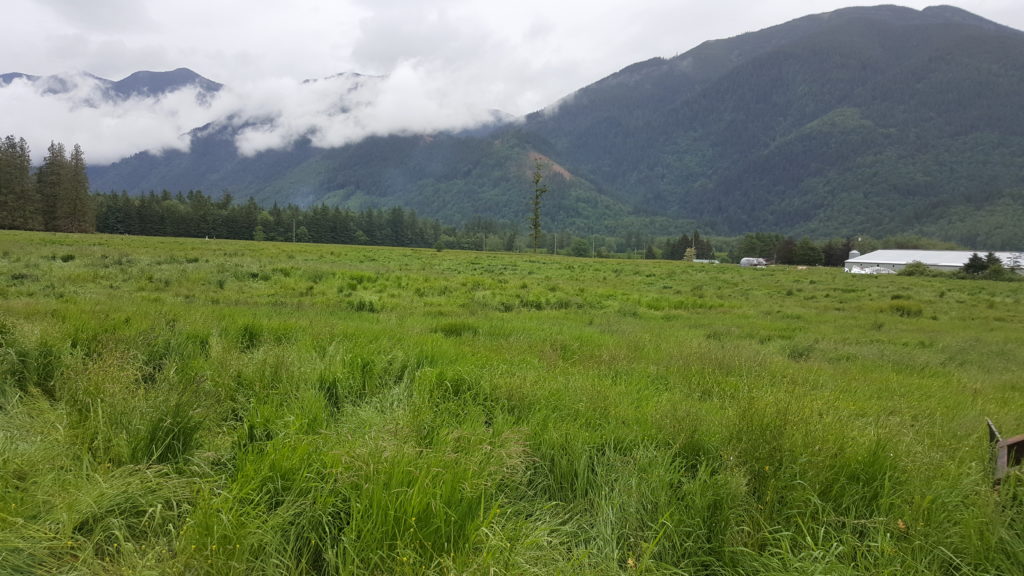
The focus of policymakers have been to preserve farmland, but those that are involved in the industry know that the best way of doing this is by keeping the farming families on the land. It is the people and their accumulated management skills that matter the most. It is not about bringing new entrants into farming at the expense of existing farmers but ensuring that the new generation takes the baton from the old. This includes the transfer of farm management expertise from generation to generation. For the ambitious, there are so many opportunities off the Farm. The question have to be how do we keep the next generation on the farm? Keeping the families together, offering an attractive lifestyle, and maintaining farm profitability are a few reasons why the young might decide to stay on the farm.
Other Factors Vital For Farm Success
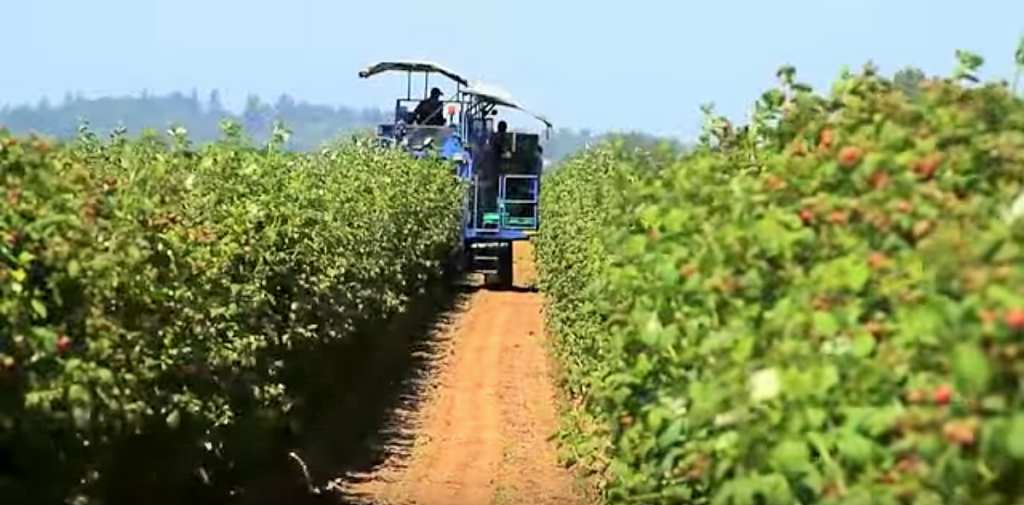
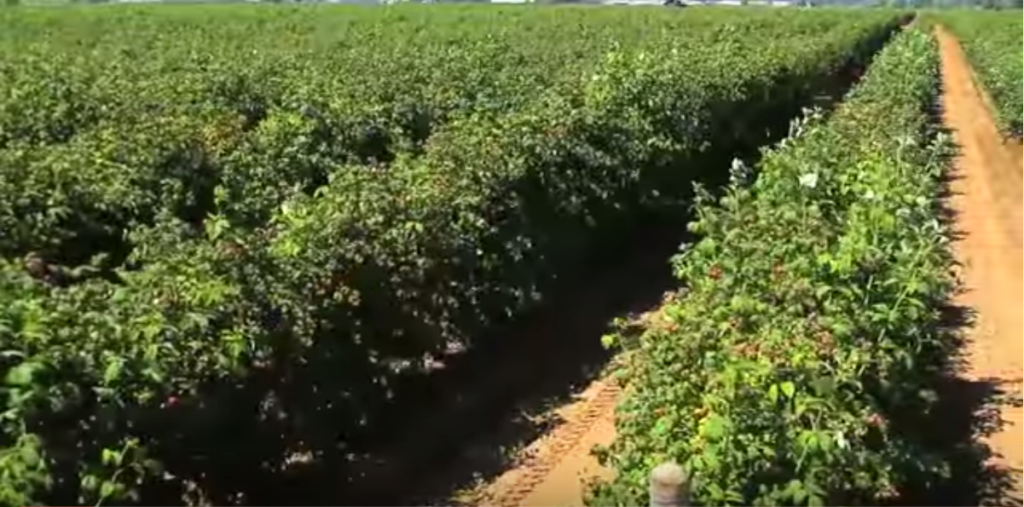
Another common misconception people have is that raw land will magically lead to increased food production. For optimum food production, you also need improvements on the land. These include access roads, irrigation system, drainage systems, storage sheds, packing facilities and dwellings. Land with improvements combined with personnel (management plus Labor), capital and machinery are key ingredients for successful farm operations.
The Future for BC Agriculture Challenging
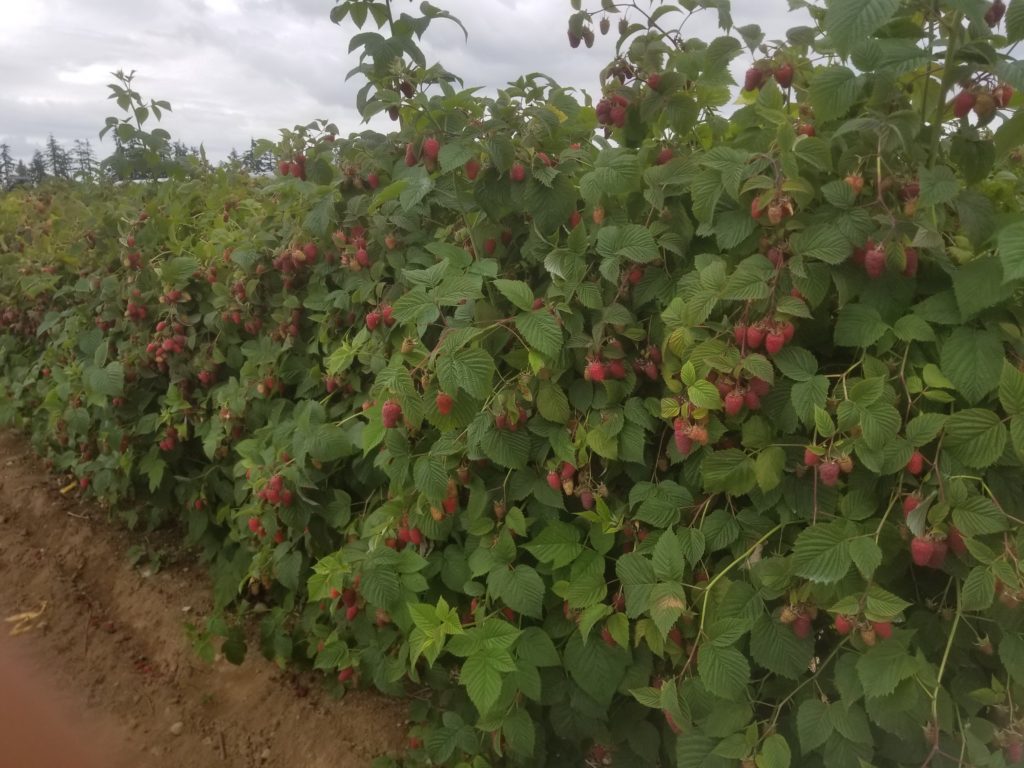
Today’s BC Farms that are not protected by the supply management system, face intense competition from abroad. With declining returns and increasing costs, BC farms are facing challenging times. Government policy in support of rapidly increasing minimum wages, Health tax on payroll, and water licensing fees are just some of the added burdens. All these might be great public policies, but the unintended consequences of these measures and their cumulative impact have the potential to unravel agriculture in BC.
At the end of the day, farm operators cannot absorb these costs nor pass them on to their customers, unlike most other businesses. This becomes particularly difficult in light of the fact that returns on farm goods have been declining over the years due to global competition yet the cost of production (determined by local factors) has skyrocketed.
Loss of Development Rights not Compensated
When the ALR was created in 1973, agriculture landowners lost the right to develop their lands, but were not compensated for that loss. Our neighbors’ in Washington State are trying to do the same thing using the Transfer of Development Right (TDR) Program. The big difference is landowners are actually compensated for giving up their development rights. With the advent of Bill 52, the erosion of “land use privileges” on agricultural properties has continued. It is yet to be seen whether perfectly legitimate uses such as seasonal worker housing or secondary dwelling for full-time farm help will also go on the cutting block.