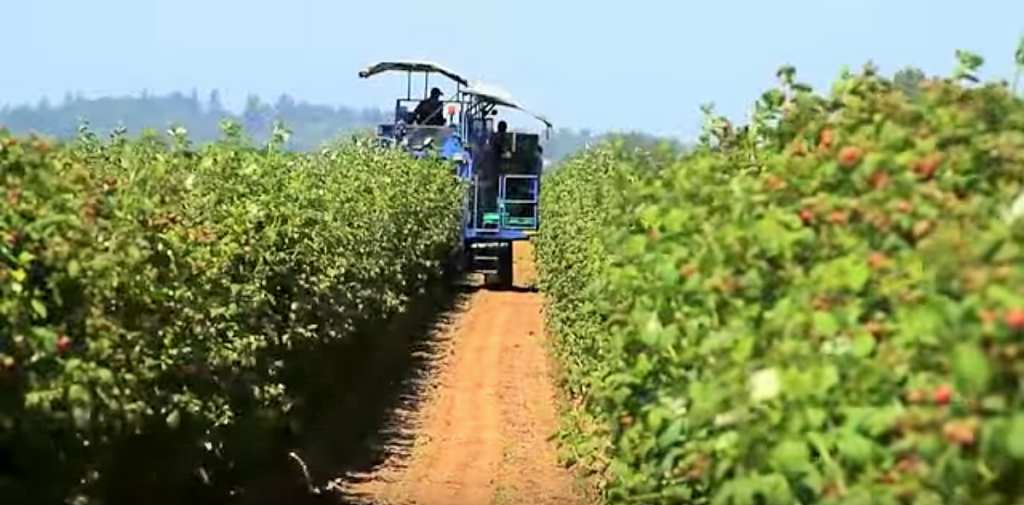
Farmers Challenge Modi Regime

Led by Punjab’s dynamic and daring farmers, India’s peasantry has descended upon the Indian Capital of New Delhi by the hundreds of thousands. Convoys of tens of thousands of tractors have trekked from Punjab into the neighboring state of Haryana en route to New Dehli. Along the way, they audaciously smashed through elaborate barricades and blockades manned by paramilitary forces designed to keep the protestors away from the Capital. Undeterred by tear gas and water gun or lathi charge, the farmers removed formidable obstacles with their bare hands in the face of police offensive en route to the borders of Dehli.

This great agrarian uprising has been instigated by three agricultural ordinances introduced by the ruling BJP government as part of its ongoing economic and political agenda. These new laws allow for the sale of select agricultural crops through private channels by opting out of existing government purchasing programs through wholesale markets (mandis) with guaranteed minimum pricing. The consensus among agricultural leaders and legal experts on the matter is that this will eventually lead to the demise of the government system of support prices that arose at a time when India was struggling to gain self-sufficiency in food productions.
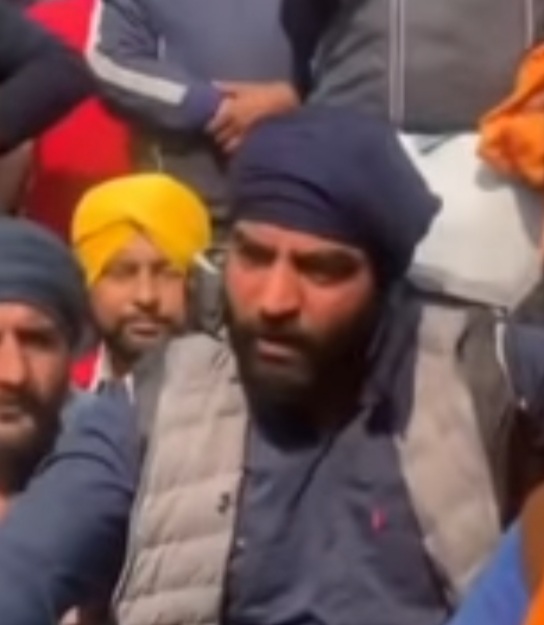
In western countries, only a small percentage of the population is involved in the Agriculture sector. In India, up to 60 percent of the population still makes its living directly or indirectly from agriculture. This large farming population is convinced that under the new laws they will lose their land and their way of life. They argue that the Agriculture industry was not properly consulted and they are demanding the new laws be re-appealed.
India’s ruling Bhartiya Janata Party (BJP) government miscalculated the discontent among the agricultural community in Punjab. There existed other underlying conditions that allowed discontent to spark into a full-blown agrarian uprising of proportion not seen ever before in India. This includes BJP’s failed campaign for demonetization of banknotes to control the underground economy or the introduction of a sales tax and subsequent arbitrary withholding of states’ share of remittances.
Furthermore, BJP’s sectarian agenda to convert multicultural India into a Hindu state has antagonized minorities. Its insidious program to revise history, control media, and subvert educational institutions has left liberal Indians fearing for the future of India.
Punjab’s Farmers’ Union, decided to march to India’s capital after their statewide protests were largely ignored by the Indian Government. But they received an unexpected boost from farm organizations from the neighboring state of Haryana, UP, and now from other outlying regions. BJP’s decision to deny people the right to protest and to place numerous obstacles only served to invigorate the demonstrators as they broke through the blockades to reach Dehli.
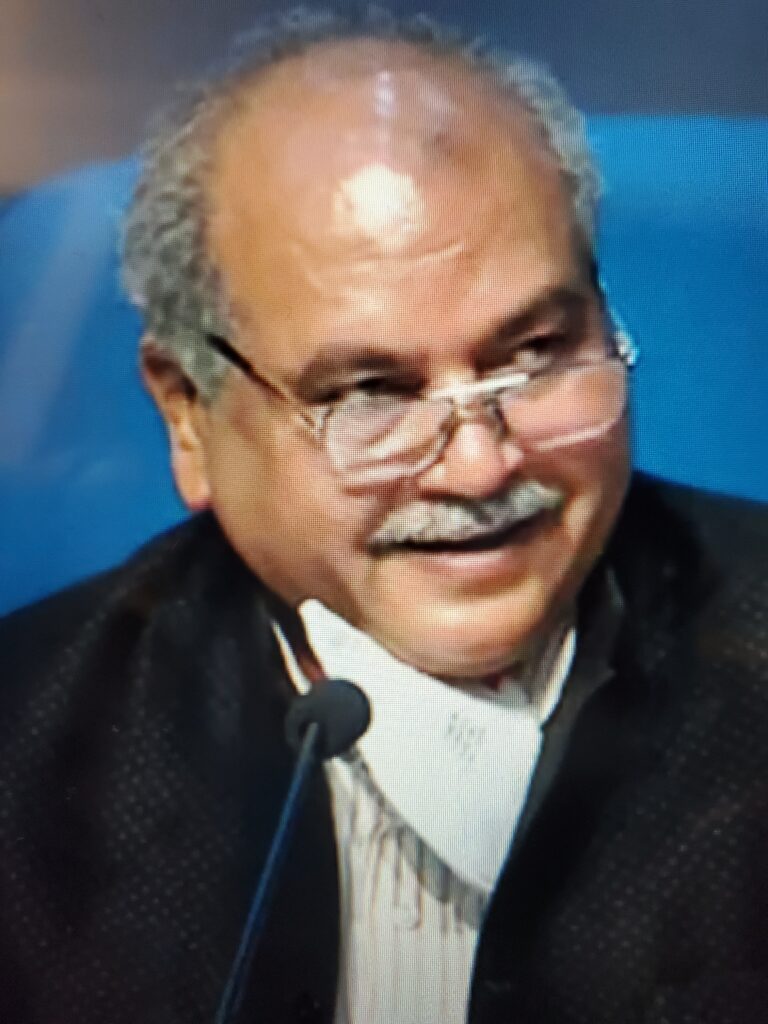
The crowds of hundreds of thousands of farmers now control access to Dehli and they have the sympathies of the majority of Indians. Protests have largely remained peaceful, and the farmers have shown fraternity by sharing their food with others. With every day that passes, the Farmers’ protest is beginning to resemble a populous movement as other non-farm groups have thrown their support for the protesters.
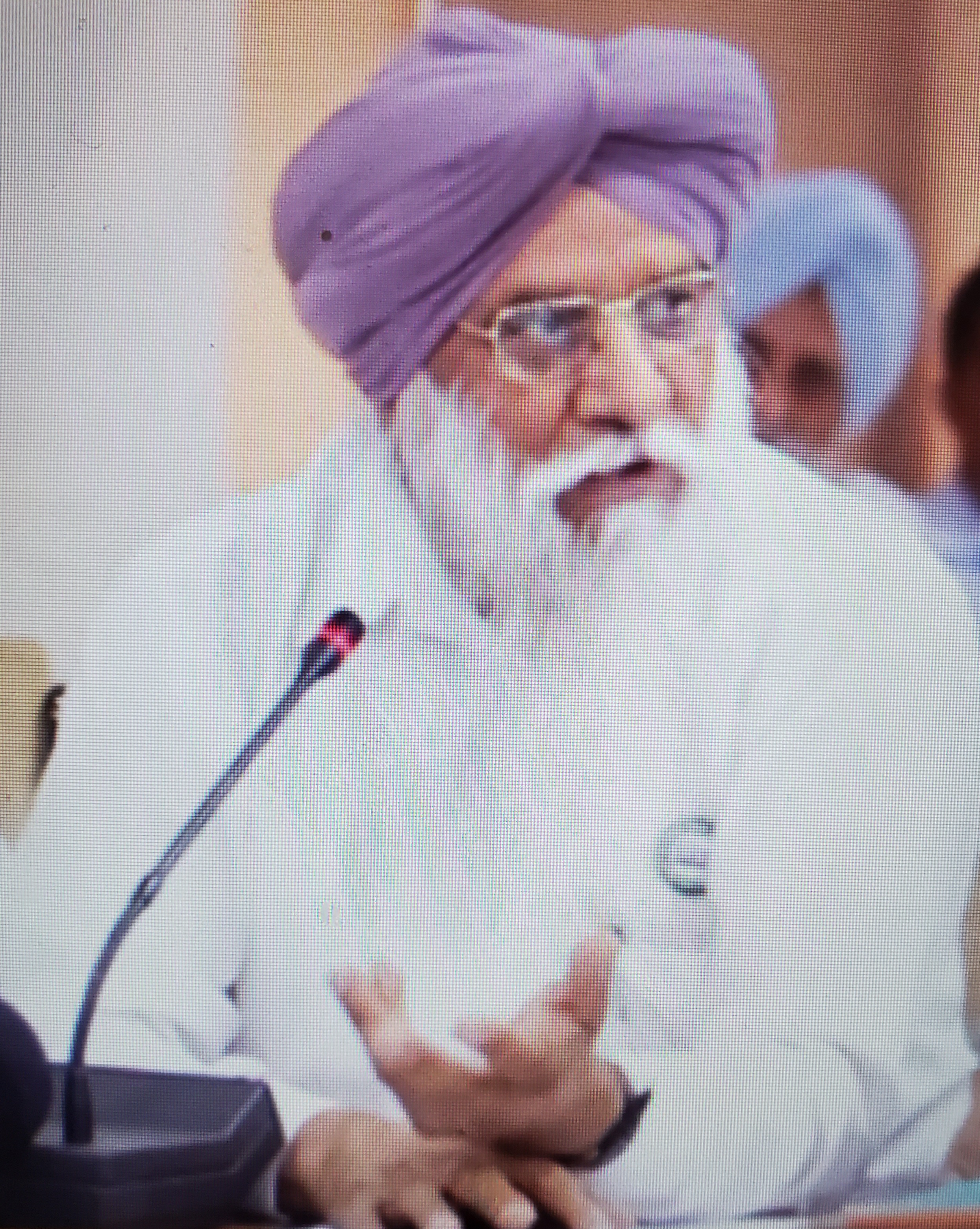
India’s Farm protests have drawn some international attention including from PM Trudeau of Canada who has expressed concern for Indian farmers. Even though now under pressure, the Indian government has resumed dialogue with farm leaders, it is still entrenched in its original position on the new Farm Laws.
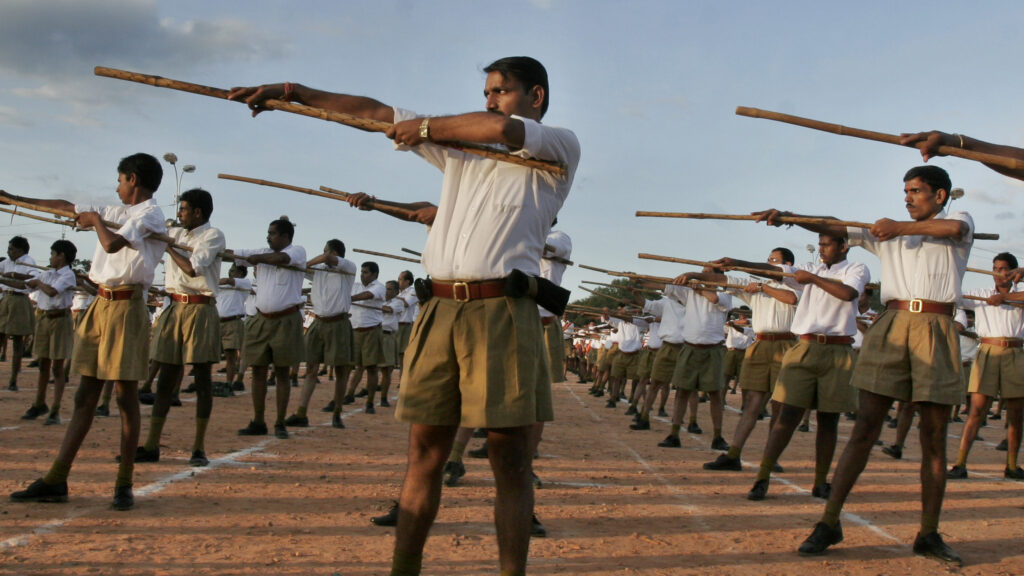
But as the protest grows, this has become more about a challenge to the power and prestige of the BJP and its vision of one nation, one language and one religion‘, which is in stark contrast to the vision of the Founders of the Indian Union who believed in a federation of India’s linguist and cultural groups. The latter is a pluralist view that is congruent with the ideology of the leading proponents of farm protest, the Sikhs of Punjab, who adhere to a doctrine ‘that the lowest is equal with the highest in race as in creed, in political rights as in religious hopes.’*
On the streets of Dehli, the humble farmers’ tractor – trolley has today become a symbol of resistance against a regime that is marching towards totalitarianism. There is far more riding on the success of this movement than the three contentious farm laws. If these protests are foiled by the BJP and its RSS foot soldiers, the world may well see the rise of another China, this time a right-wing version. The international community is ill-prepared to deal with another authoritarian giant on the global stage.
* Quote J.D. Cunningham, History of Sikhs: From of the Origin of the Nation to the Battles of the Sutlej